


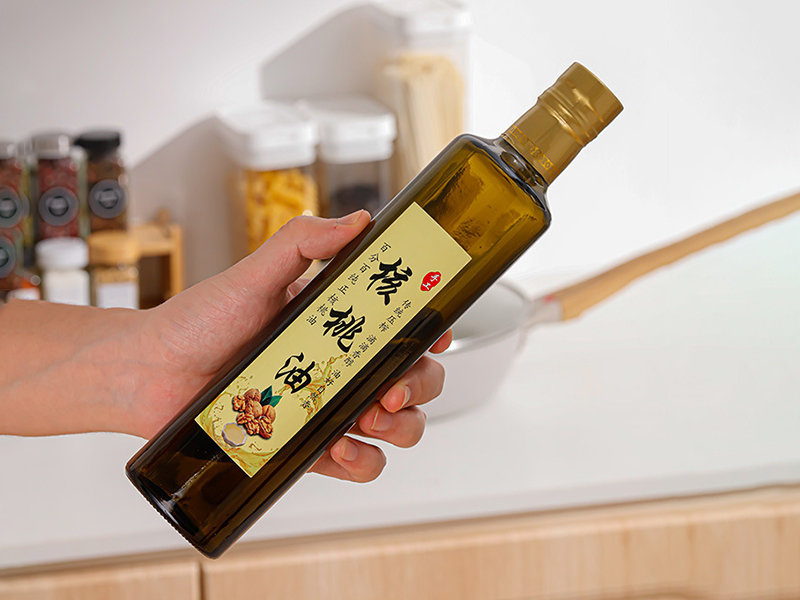
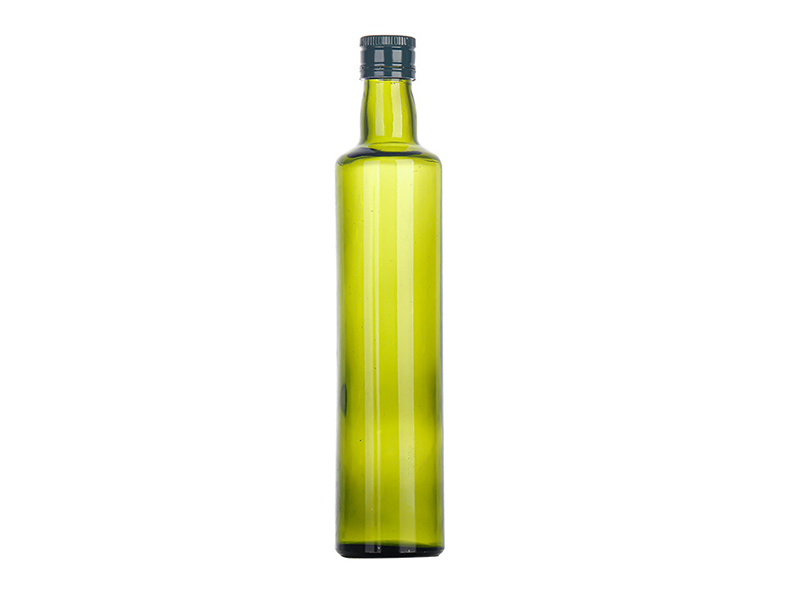
In the selection of materials for olive oil bottles, glass has always held an unshakable dominant position. This is because of its outstanding chemical stability. Glass does not react chemically with olive oil, ensuring that the flavor and quality of the olive oil are not contaminated. Even when stored for a long time, no harmful substances will be released, making it a reliable guarantee for food safety. Among them, high borosilicate glass, due to its excellent heat resistance, can withstand high-temperature sterilization and sudden temperature changes, and is particularly suitable for repeated use in catering venues; sodium calcium glass, with its high cost-performance advantage, has become a common choice for olive oil bottles in the mass market. By adjusting the formula, different degrees of light-blocking properties can also be achieved.
In recent years, ceramic olive oil bottles have gradually caught the attention of consumers due to their unique texture and light-blocking properties. The ceramic bodies are thick and sturdy, capable of completely blocking light and providing an almost “perfect” light-proof storage environment for the olive oil. At the same time, the high-quality ceramic bottles use environmentally friendly glazes that are safe and non-toxic after high-temperature firing, and do not have any impact on the olive oil. Some high-end ceramic olive oil bottles also incorporate traditional techniques, such as the blue and pink glaze techniques of Jingdezhen, making the bottles both practical and artistic, and particularly suitable as gifts or packaging for high-end products.
Although plastic olive oil bottles are convenient and durable, they should be used with caution. Poor-quality plastic bottles may contain harmful substances such as plasticizers. When in contact with olive oil or exposed to high temperatures, these substances can leach out and contaminate the oil. If you decide to use plastic bottles, be sure to choose PET materials that meet food-grade standards, and prefer dark-colored plastic bottles that have added anti-ultraviolet components. Also, pay attention to checking the product’s food safety certification mark to ensure safety. However, from the perspective of long-term storage and nutrient retention, plastic bottles still cannot compare with glass or ceramic bottles.
Please Leave your message you want to know! We will respond to your inquiry within 24 hours!
Please Leave your message you want to know! We will respond to your inquiry within 24 hours!